

The AI companions are coming...
As AI companions flood the market, personality becomes the only moat.

Characters have always been around to entertain us. Mickey Mouse. Mario. Pikachu. They lived in movies, games, and theme parks. We loved them, but they stayed in their worlds.
Now something’s shifting.
Characters are becoming interfaces.
We’re about to get absolutely flooded. AI companions everywhere: robots folding your laundry, digital assistants running your home, customer service bots, …. Within a few years, almost every product will have some kind of character layer, some kind of personality interface.
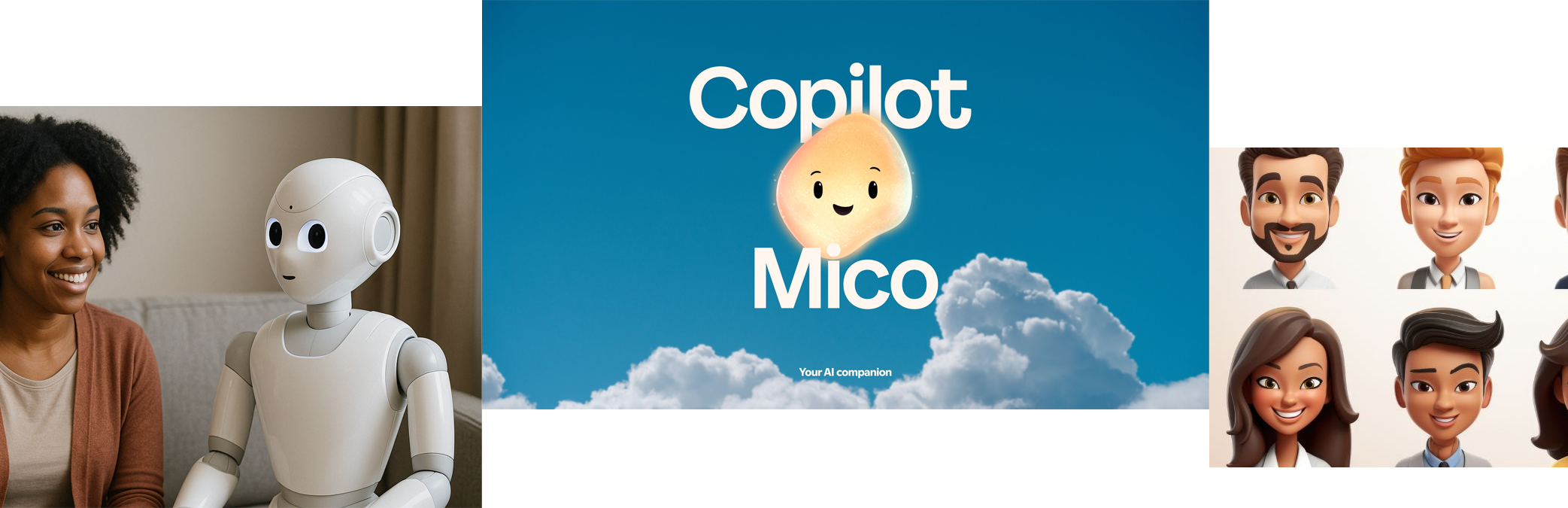
Here’s the interesting part: the same thing that is happening to content production is about to happen to these companions.
For decades, “polished” signaled investment. Clean renders? You paid a 3D studio. Smooth animations? You had a budget. A frictionless, capable servant? You were serious.
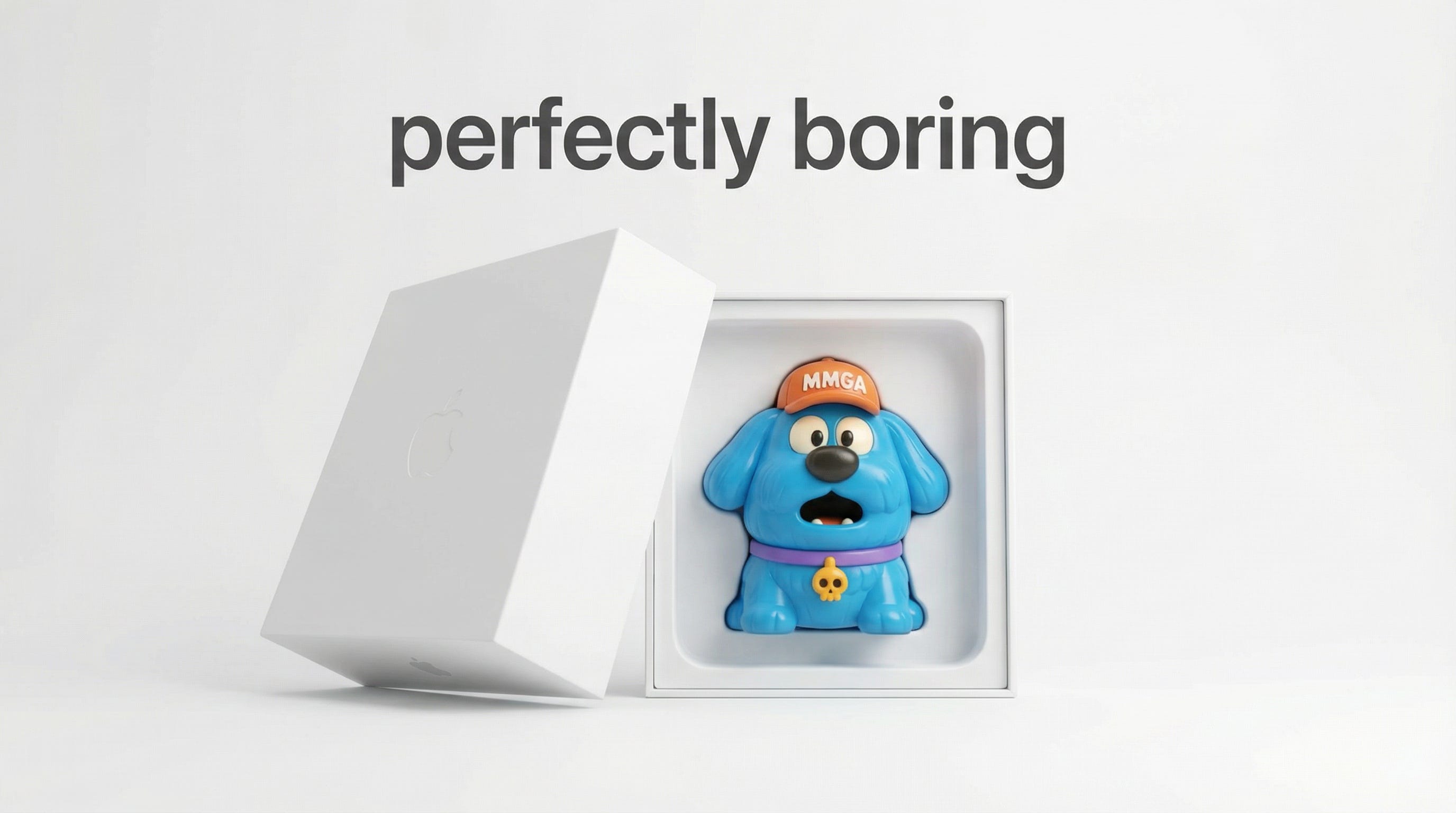
Not anymore. Anyone can generate Apple-looking renders in minutes. Anyone can prompt that perfect aesthetic. Anyone can build a competent AI that follows commands.
When everyone can make things perfect, perfect becomes boring.
The frictionless servant, the obedient helper, the polished interface that does exactly what you ask? That’s the new baseline. That’s what anyone can build now.
What stands out is something else entirely.
The Perfect Servant Problem
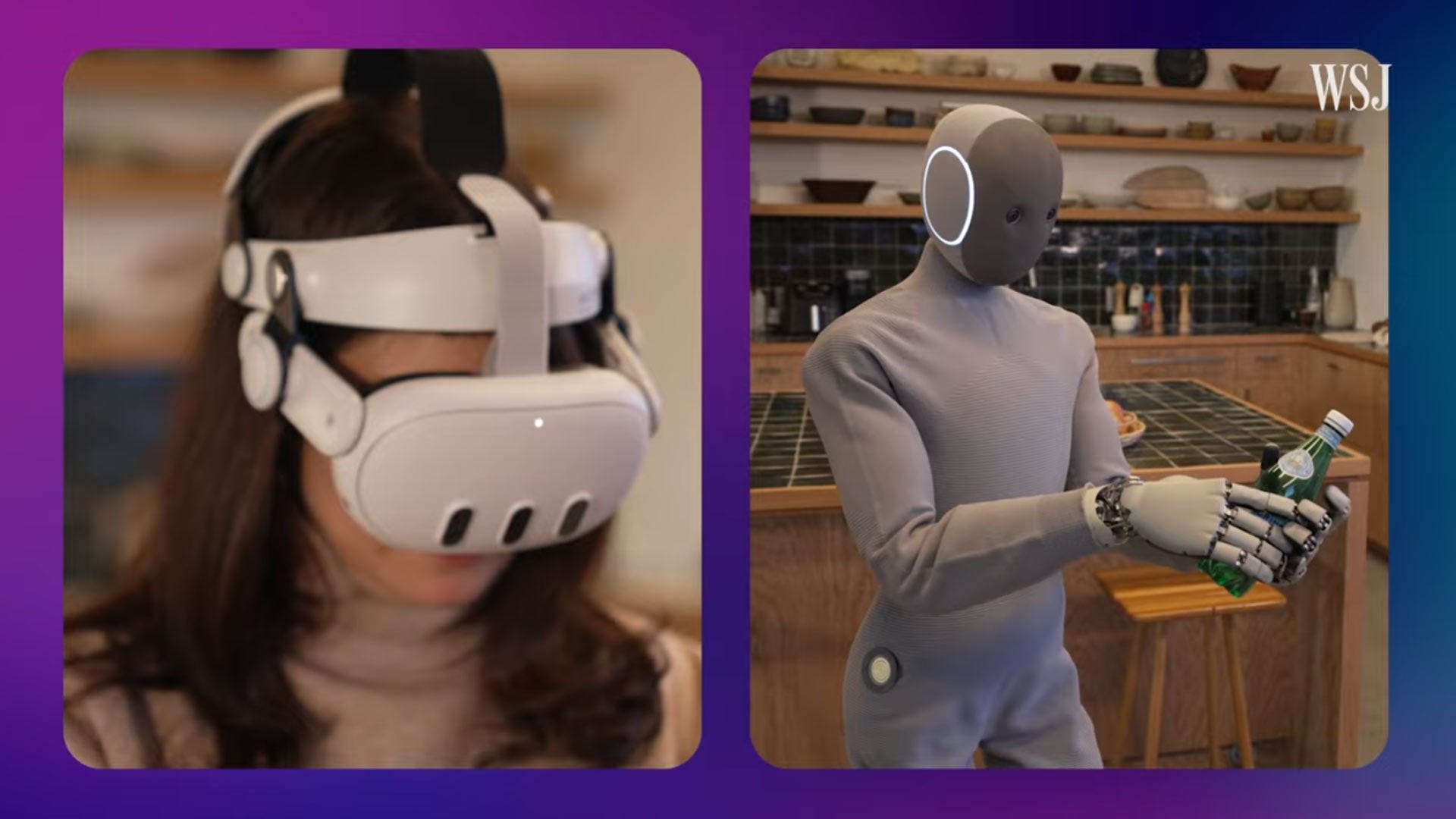
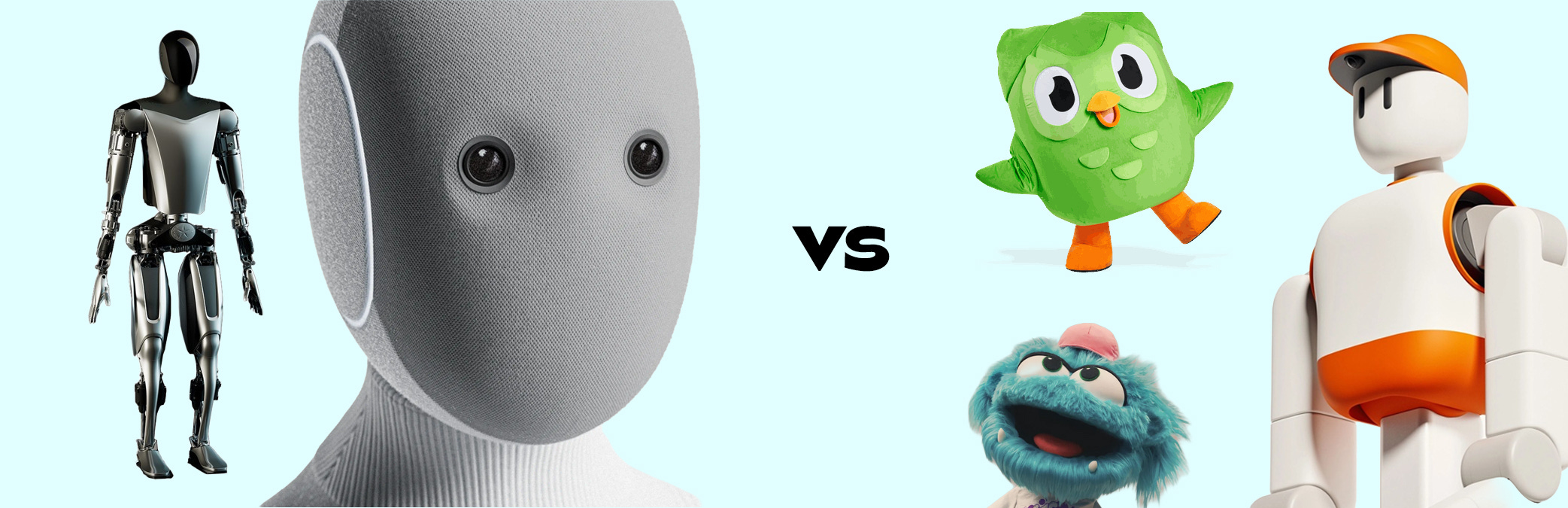
Look at what’s happening in robotics. Tesla’s Optimus and 1X’s NEO are chasing the same dream: the perfect, obedient servant. Clean lines. Capable hands. Promises of solving all your household chores.
Optimus looks like it stepped out of a worker replacement program. NEO looks softer, but here’s the twist: it’s literally controlled by remote workers in VR headsets watching through cameras in your home. You’re not buying a robot, you’re buying outsourced labor with extra steps and privacy concerns.
The irony is beautiful. These robots are desperately trying to be human. Humanoid form, human movements, human-level capability. But they’re not. Except for the part where actual humans literally puppeteer them because the tech isn’t there yet 🙄.
Both promise to do everything you ask. Both promise to be frictionless. Both are... deeply uninteresting.
Now look at the opposite approach. Sunday’s Memo isn’t trying to be human at all. It’s a WALL-E-style robot on wheels with a cartoon face and a soft, touchable exterior. No legs to perfect. No humanoid walking to solve. Just a friendly helper that looks like it belongs in a Pixar movie, wearing different colored baseball caps depending on its mood.
Disney’s Olaf is literally made of snowballs and lets kids pull his carrot nose off. These aren’t trying to be perfect assistants. They’re trying to be characters.
Or what about Nushi, a weird robotic cat, and CGI grandma? Weird? Yes. Memorable? Hell yeah.
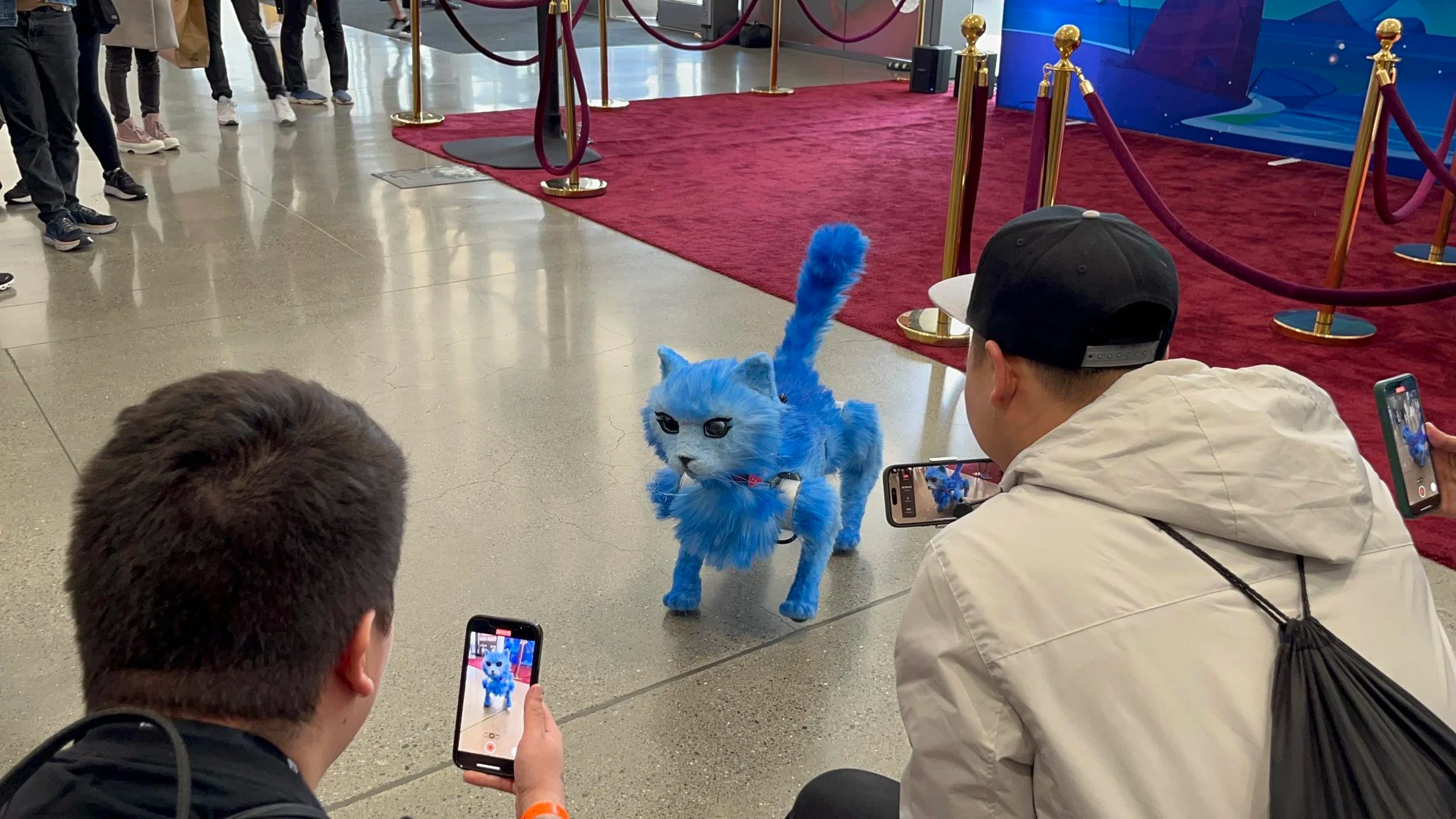
Here’s the thing: we anthropomorphize everything anyway. We see faces in electrical outlets, personalities in clouds, emotions in our Roombas. You don’t need to look (or walk) like a human for us to project humanity onto you. You just need to give us something to latch onto.
And people actually want to be around them.
How Anything Stands Out
In this flood of AI companions, the question becomes: how will anyone stand out?
Not with capability. Everyone will be capable. Not with polish. Everyone will be polished. Not by being helpful. Everyone will be helpful.
You stand out by being interesting.
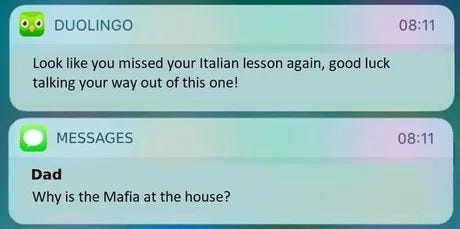
Look at Duolingo’s Duo. That owl is passive-aggressive, obsessive, kind of unhinged. The internet made him a meme villain (”Spanish or vanish”) and instead of fighting it, Duolingo leaned in. They made him weirder. They let him have opinions. They even “killed” him off for a while.
Result? 13 million TikTok followers. 400% increase in app downloads. People dress up as Duo for Halloween.
Not because Duolingo has the best language-learning algorithm. Because people have an emotional relationship with a fictional owl who won’t leave them alone.
Make Them Playful, Not Perfect
Here’s where it gets interesting. The best AI companions aren’t the ones that do everything you ask. They’re the ones that push back. That surprise you. That feel alive.
Take that lamp robot that doesn’t always do what you ask. Or Kami, the smart AI device that’s deliberately designed to be cute rather than sleek. These aren’t optimizing for efficiency or obedience.
Then there’s Patchmates. A fluffy AI character that teaches you how to code. You literally control them by writing code blocks. Want your creature to move? Write the code. Want it to dance? Figure out the logic. The interface IS the learning. The control mechanism IS the education. It’s playful, tactile, weird.
Or Anthpo’s Nano mascot. None of these are trying to be your perfect assistant.
They’re optimizing for personality.
What I actually want.
I don’t want a metal servant promising to solve my future. I don’t want something that does everything I ask, perfectly, every time. That’s not a companion, that’s a tool.
I want something that:
Has opinions
Sometimes refuses
Surprises me
Makes me laugh
Feels like it has its own weird life going on
I want the slightly broken lamp. The passive-aggressive owl. The snowman robot whose nose falls off.
I want the thing that’s alive, not the thing that’s optimized.
The New Rules
In a world where anyone can generate perfect:
Perfect is baseline, not remarkable • Your slick render is competing with a million slick renders
Personality is the moat • Can’t be copied, can’t be automated, can’t be commodified
Friction can be a feature • Things that push back are more engaging than things that just comply
Weird beats clean • The strange, imperfect, opinionated thing is what people remember
Character over capability • People forgive limitations if they love the personality
The future isn’t frictionless AI servants doing everything we ask.
The future is weird, opinionated, slightly flawed companions we actually want to hang out with.
Make things interesting. Not perfect.
Because in 2025, anyone can make it polished.
But only you can make it yours.
Want to build your brand universe?
I help companies create distinctive brand universes and characters using Gen-AI. The kind that is actually used (not stuck in a Figma file somewhere). If you’re exploring this for your brand, book a 20-min call or check out some examples here.
And of course, you can subscribe to the newsletter to learn how to build a strong brand powered by Gen-AI.